The Future of School Counseling: How AI is Transforming Student Guidance
Dec 09, 2025
Jason Stephenson
A comprehensive guide for middle and high school counselors navigating the AI revolution in education
The landscape of education is rapidly evolving, and artificial intelligence (AI) is at the forefront of this transformation. For middle and high school counselors, understanding and leveraging AI tools has become not just advantageous, it’s essential. This comprehensive guide explores the current state of AI in education, its specific applications for counseling, and practical strategies for implementation.
The Current State of AI in Education: Key Statistics Every Counselor Should Know
The adoption of AI in education has reached unprecedented levels. Recent studies indicate that 50% of educators are utilizing AI technologies to assist with creating lesson plans, demonstrating the growing acceptance of AI as a valuable resource in educational planning. Even more striking, the latest statistics show that 58% of all university instructors use generative AI in their daily practice.
Market Growth and Investment
The numbers speak volumes about AI’s trajectory in education:
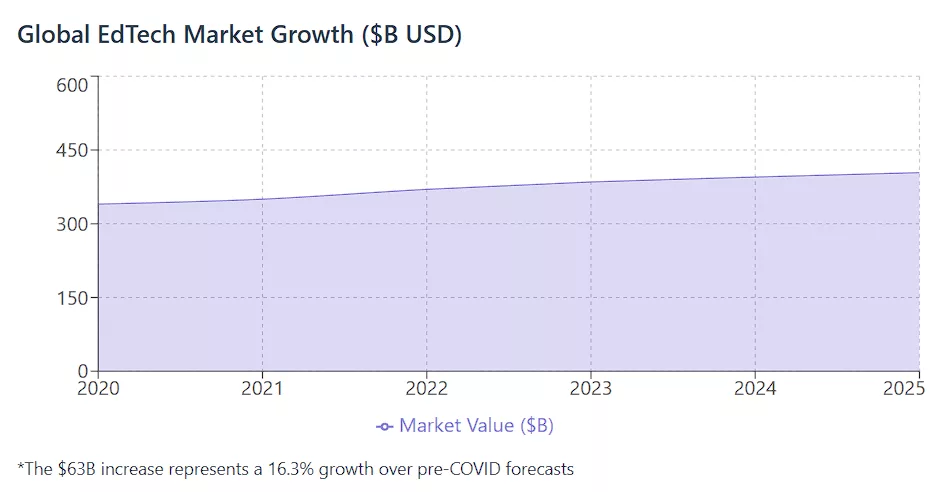
The global EdTech market is now projected to reach $404 billion by 2025, according to HolonIQ. This reflects a $63 billion increase over pre-COVID forecasts, representing a 16.3% increase.
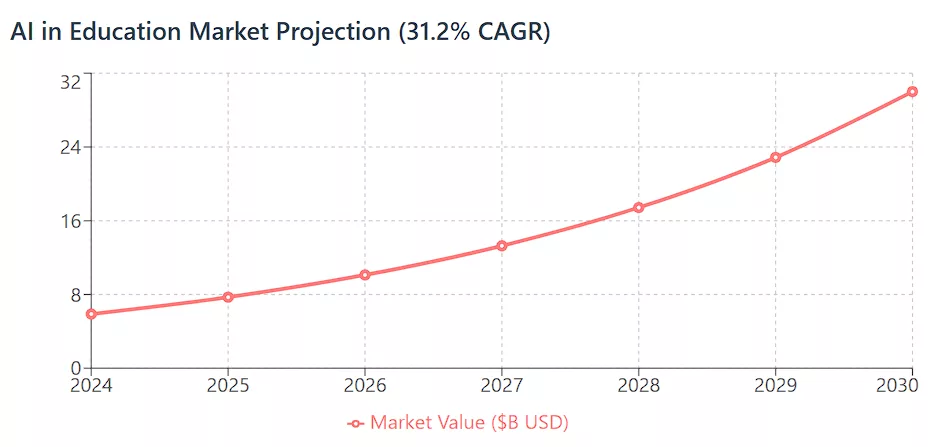
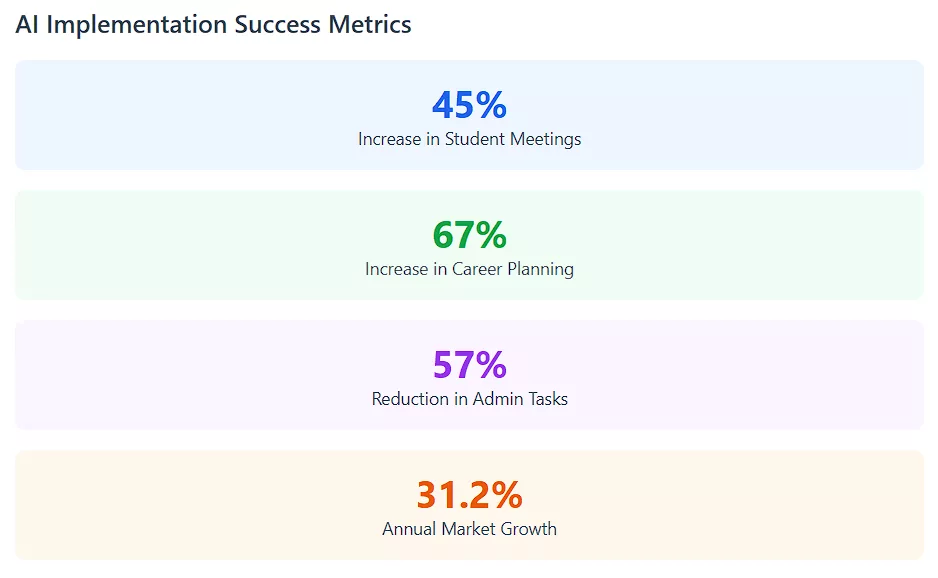
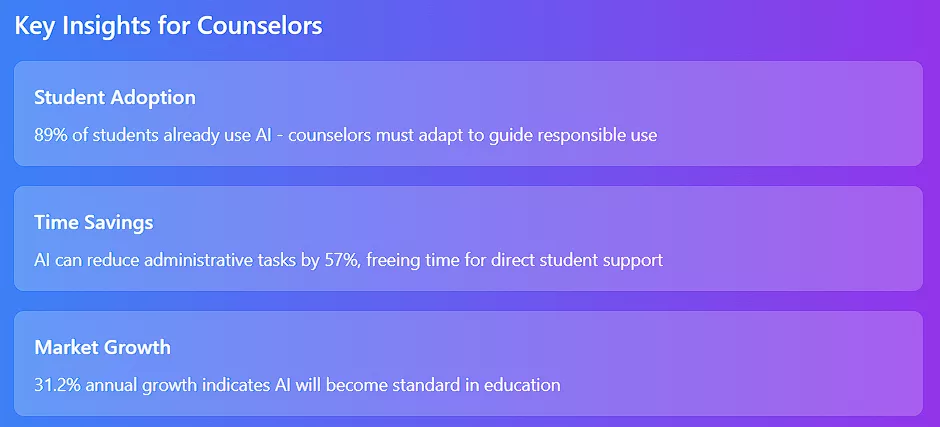
The global AI market in education was valued at approximately USD 5.88 billion in 2024 and is projected to grow at a compound annual growth rate (CAGR) of 31.2%
Nearly half of all learning management systems are expected to incorporate AI by the end of 2024, further embedding AI into educational infrastructure.
Student and Educator Adoption Patterns
Understanding who is using AI and how is crucial for counselors:
89% of students admit to using AI tools in their academic work
73.6% have used or are exploring AI tools for research
Almost a quarter (23%) of females felt schools should instead focus on preventing students from using AI – an opinion shared by just under a fifth (19%) of males
How AI is Revolutionizing School Counseling: Practical Applications
1. Personalized Career Guidance at Scale
One of the most significant challenges facing school counselors is the sheer volume of students requiring personalized attention. AI systems can track recommendations and student outcomes, and thus continuously improve system performance over time. Additionally, AI can stay abreast of emerging trends in the job market so that counselors can offer more relevant guidance.
Practical Applications:
Career Assessment Tools: AI-powered platforms can analyze student interests, aptitudes, and academic performance to suggest suitable career paths
Skills Gap Analysis: Compare student skills with industry requirements to identify development areas
Labor Market Alignment: Coach adapts to individual users, offering tailored recommendations aligned with professional goals and real-world labor market data
2. College Application Support and Essay Enhancement
The college application process has become increasingly competitive and complex. AI tools can help counselors support more students effectively:
Essay Development:
AI can help students brainstorm essay topics that showcase their unique qualities
Grammar and style checking tools improve writing quality
Plagiarism detection ensures academic integrity
AI applications in education such as creating personalized lesson plans, writing effective letters of recommendation, editing essays are becoming standard practice
Application Strategy:
Predictive analytics help match students with colleges where they’re likely to succeed
Financial aid optimization based on family circumstances and academic profiles
Timeline management and deadline tracking
3. Mental Health and Social-Emotional Support
AI tools can enhance counselors’ ability to identify and support students facing mental health challenges:
Early Intervention:
Sentiment analysis of student communications can flag potential mental health concerns
Pattern recognition in academic performance may indicate underlying issues
Automated screening tools can help prioritize students needing immediate attention
Resource Allocation:
AI can help match students with appropriate support services
Predictive modeling identifies at-risk students before problems escalate
Personalized intervention strategies based on student profiles and historical data
The Counselor’s Role in an AI-Enhanced Environment
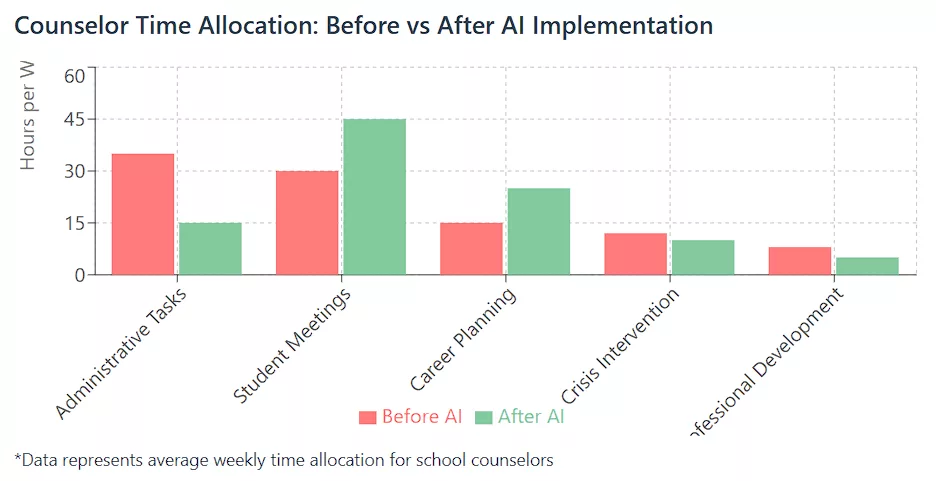
Rather than replacing counselors, AI amplifies their impact by handling routine tasks and providing data-driven insights. This allows counselors to focus on what they do best: building relationships, providing emotional support, and making complex decisions requiring human judgment.
Essential AI Skills for Modern Counselors
Technical Competencies:
AI Tool Evaluation: Understanding how to assess AI tools for accuracy, bias, and appropriateness
Data Interpretation: Reading and acting on AI-generated insights and recommendations
Prompt Engineering: Crafting effective queries to get optimal results from AI systems
Privacy and Ethics: Ensuring student data protection and ethical AI use
Professional Development Areas:
Digital Literacy: Staying current with emerging AI technologies
Critical Thinking: Knowing when to trust, question, or override AI recommendations
Human-AI Collaboration: Integrating AI insights with professional judgment
Student Education: Teaching students about responsible AI use
Addressing Common Concerns and Challenges
Privacy and Data Security
Student data protection is paramount when implementing AI tools. Key considerations include:
FERPA compliance and data handling protocols
Vendor vetting processes for AI tool providers
Student and parent consent for AI-enhanced services
Data retention and deletion policies
Equity and Access Issues
AI implementation must not exacerbate existing educational inequalities:
Ensuring all students have access to AI-enhanced counseling services
Addressing potential bias in AI algorithms
Providing training for students who lack digital literacy skills
Maintaining human touch points for students who prefer traditional counseling
Professional Liability and Ethics
Counselors must navigate new ethical territories when using AI:
Clear documentation of AI tool limitations
Maintaining professional liability insurance that covers AI-assisted services
Establishing clear boundaries between AI recommendations and professional advice
Regular auditing of AI tool performance and outcomes
Practical Implementation Guide for School Counselors
Phase 1: Assessment and Planning (Month 1)
Needs Assessment: Survey staff and students about current challenges and AI readiness
Resource Inventory: Catalog existing technology infrastructure and budget
Stakeholder Engagement: Build support among administrators, teachers, and parents
Pilot Program Design: Select 2-3 specific use cases for initial implementation
Phase 2: Tool Selection and Training (Month 2)
Vendor Evaluation: Research and compare AI tools using established criteria
Privacy Review: Ensure all selected tools meet data protection requirements
Staff Training: Provide comprehensive training on selected AI tools
Policy Development: Create guidelines for appropriate AI use
Phase 3: Implementation and Monitoring (Months 3-4)
Pilot Launch: Begin with a small group of students or specific use cases
Performance Tracking: Monitor outcomes and gather feedback
Iterative Improvement: Adjust processes based on initial results
Scaling Preparation: Plan for broader implementation
Phase 4: Full Deployment and Optimization (Months 5+)
School-wide Rollout: Expand AI tools to all appropriate areas
Continuous Monitoring: Regular assessment of AI tool effectiveness
Professional Development: Ongoing training to maximize AI benefits
Community Engagement: Share results and best practices with stakeholders
Measuring Success: Key Performance Indicators
To ensure AI implementation is truly benefiting students and improving counseling outcomes, track these metrics:
Student Outcomes:
College acceptance rates and quality of matches
Career readiness assessments scores
Post-graduation success rates
Student satisfaction with counseling services
Operational Efficiency:
Time saved on routine tasks
Number of students receiving personalized guidance
Response time for student requests
Cost per student served
Professional Development:
Counselor confidence with AI tools
Time allocation improvements
Professional growth and skill development
Job satisfaction and retention rates
Future Trends: What’s Next for AI in School Counseling
Emerging Technologies (2025-2027)
Advanced Natural Language Processing:
More sophisticated conversation AI for initial student screenings
Real-time translation services for multilingual school communities
Voice-activated counseling appointment scheduling and resource access
Predictive Analytics Enhancement:
By 2030, it’s expected that AI will automatically score half of all college essays and nearly all multiple-choice exams
More accurate prediction of student success in specific programs
Early warning systems for academic and social-emotional difficulties
Personalized intervention timing optimization
Virtual and Augmented Reality:
Immersive career exploration experiences
Virtual college campus tours and information sessions
Social skills training simulations for students with special needs
Long-term Implications (2027-2030)
Systemic Changes:
Complete integration of AI into all aspects of student support services
Standardized AI competency requirements for counseling professionals
New specialization areas within school counseling focused on AI coordination
Transformation of counselor education programs to include extensive AI training
Actionable Steps for Implementation Today
Immediate Actions (This Week):
Explore Free AI Tools: Start with ChatGPT, Claude, or Gemini to understand basic capabilities
Join Professional Communities: Connect with other counselors using AI through online forums
Assess Current Needs: Identify your three biggest time challenges that AI might address
Research Best Practices: Review case studies from schools successfully using AI
Short-term Goals (Next Month):
Pilot One Tool: Choose a specific AI career exploration tool and test it with a small group
Gather Feedback: Survey students and staff about their AI experiences and concerns
Create Guidelines: Develop basic policies for AI use in your counseling program
Professional Development: Attend webinars or workshops on AI in education
Medium-term Objectives (Next Quarter):
Expand Implementation: Add 2-3 additional AI tools based on pilot results
Train Colleagues: Share successful practices with other counselors and staff
Measure Impact: Document improvements in efficiency and student outcomes
Community Engagement: Educate parents and students about AI benefits and limitations
Conclusion: Embracing the AI-Enhanced Future of School Counseling
The integration of AI into school counseling is not a distant possibility, it’s happening now. The solutions segment led the market with the largest revenue share of 70.3% in 2024, due to the widespread adoption of AI-powered Learning Management Systems (LMS) and similar tools are rapidly expanding into counseling services.
The question for middle and high school counselors is not whether AI will transform their profession, but how quickly they can adapt to leverage these powerful tools for student benefit. Those who embrace AI early will find themselves better equipped to serve their students’ diverse needs, while those who resist may find themselves at a significant disadvantage.
The most successful counselors of the future will be those who combine their irreplaceable human qualities like empathy, relationship building, complex problem-solving, and ethical reasoning with the efficiency and insights that AI provides. By starting this journey today, counselors can ensure they’re prepared to provide the highest quality guidance in an increasingly complex educational landscape.
Remember, AI is a tool to enhance human potential, not replace it. The heart of school counseling, caring for students and helping them reach their full potential, remains distinctly human. AI simply gives us more powerful ways to fulfill that essential mission.
Orchard makes it easier for schools to support career exploration across every grade. From interactive planning tools to engaging career content, we give students the clarity they need and educators the structure they’ve been asking for.
Help Every Student Graduate With a Plan – Watch Our Demo Video Now
See how Orchard helps schools scale career exploration and student planning.